Erdos Miller
ToolHub: one platform for the tools that steer a well
Erdos Miller builds Measurement While Drilling (MWD) sensors and the software around them. Their operation ran on a patchwork that had worked long enough to become risky: LabVIEW desktop apps, standalone Python scripts, a deprecated tool that "won't die", and a spreadsheet acting as the fleet database. We embedded with their team to turn ToolHub into the platform that holds it all together.
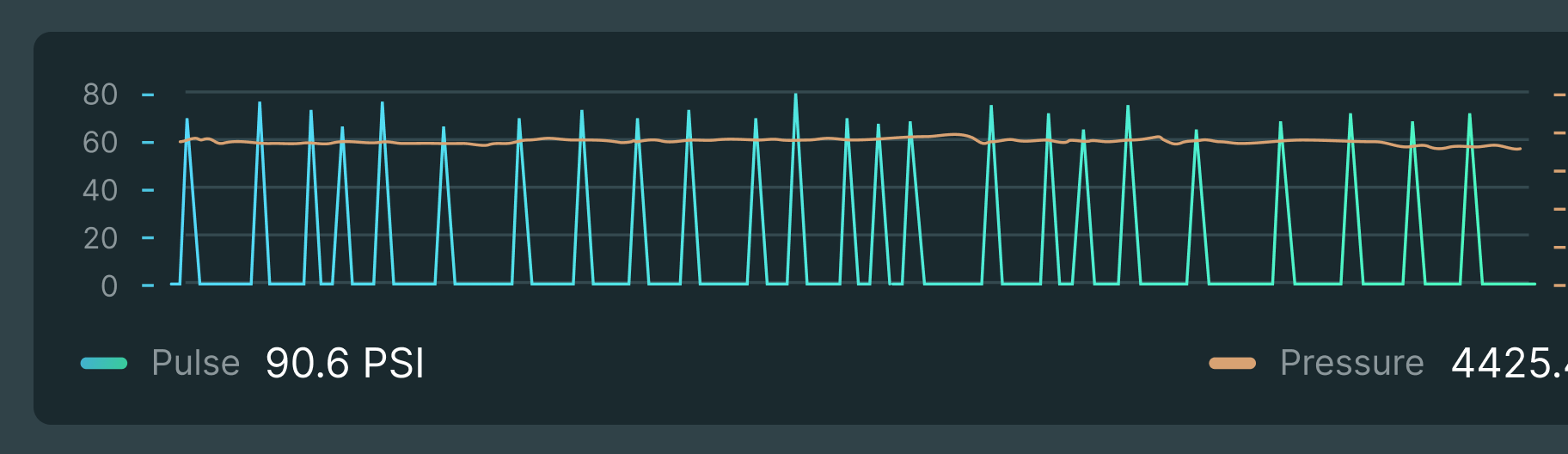
Software used where the work actually happens
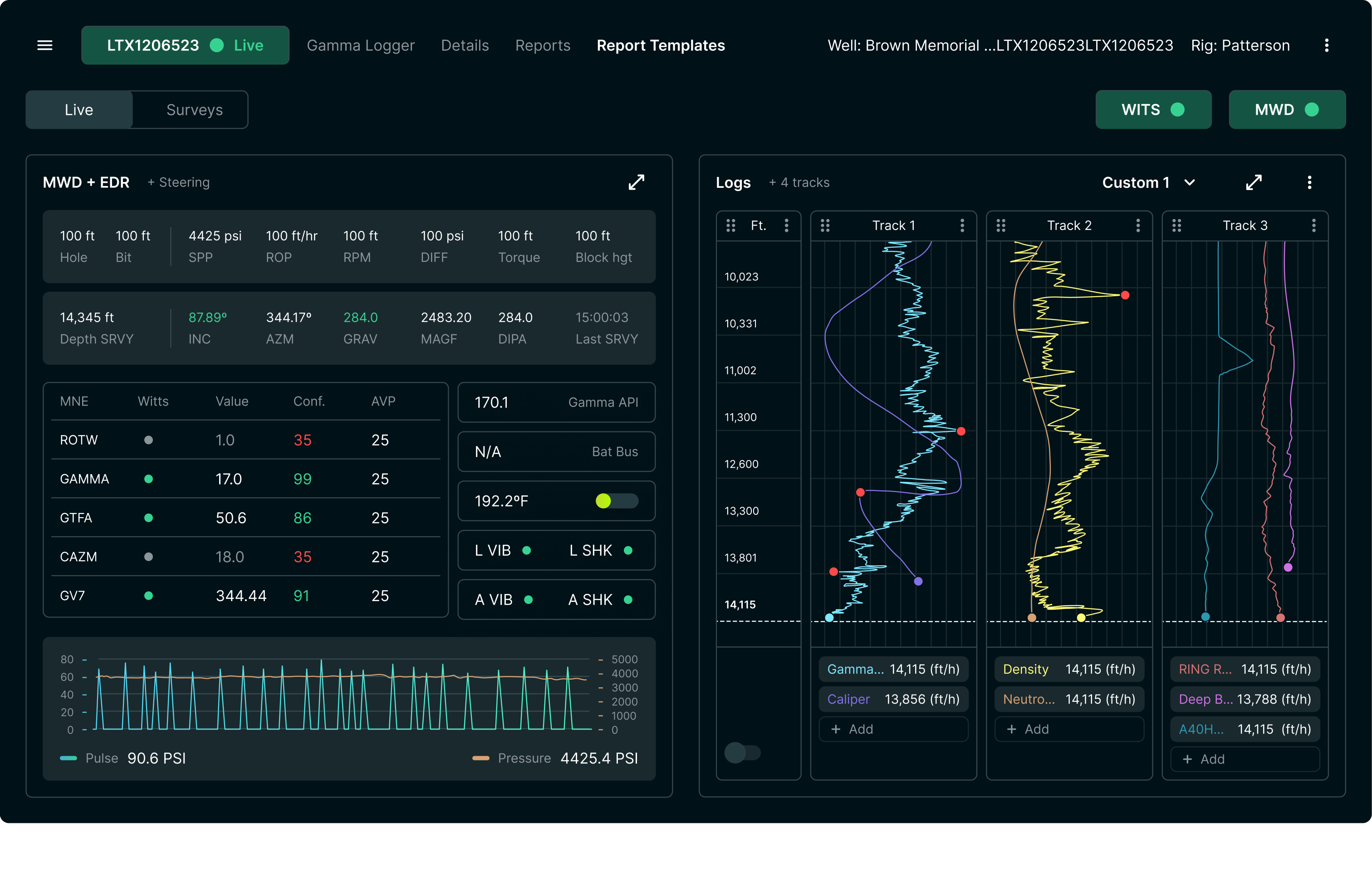
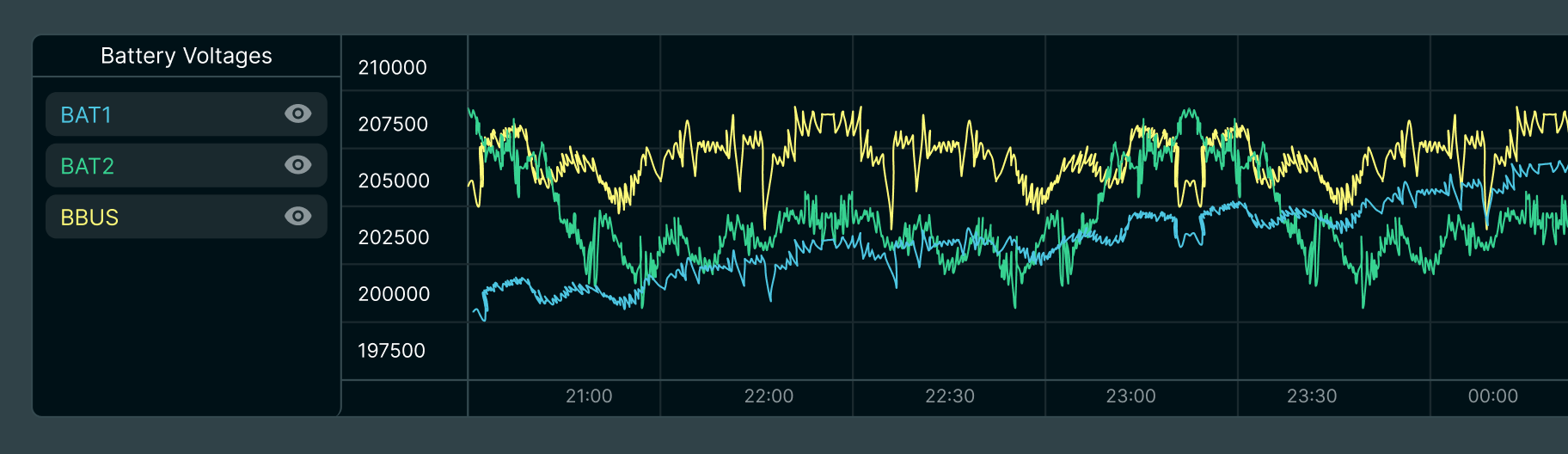
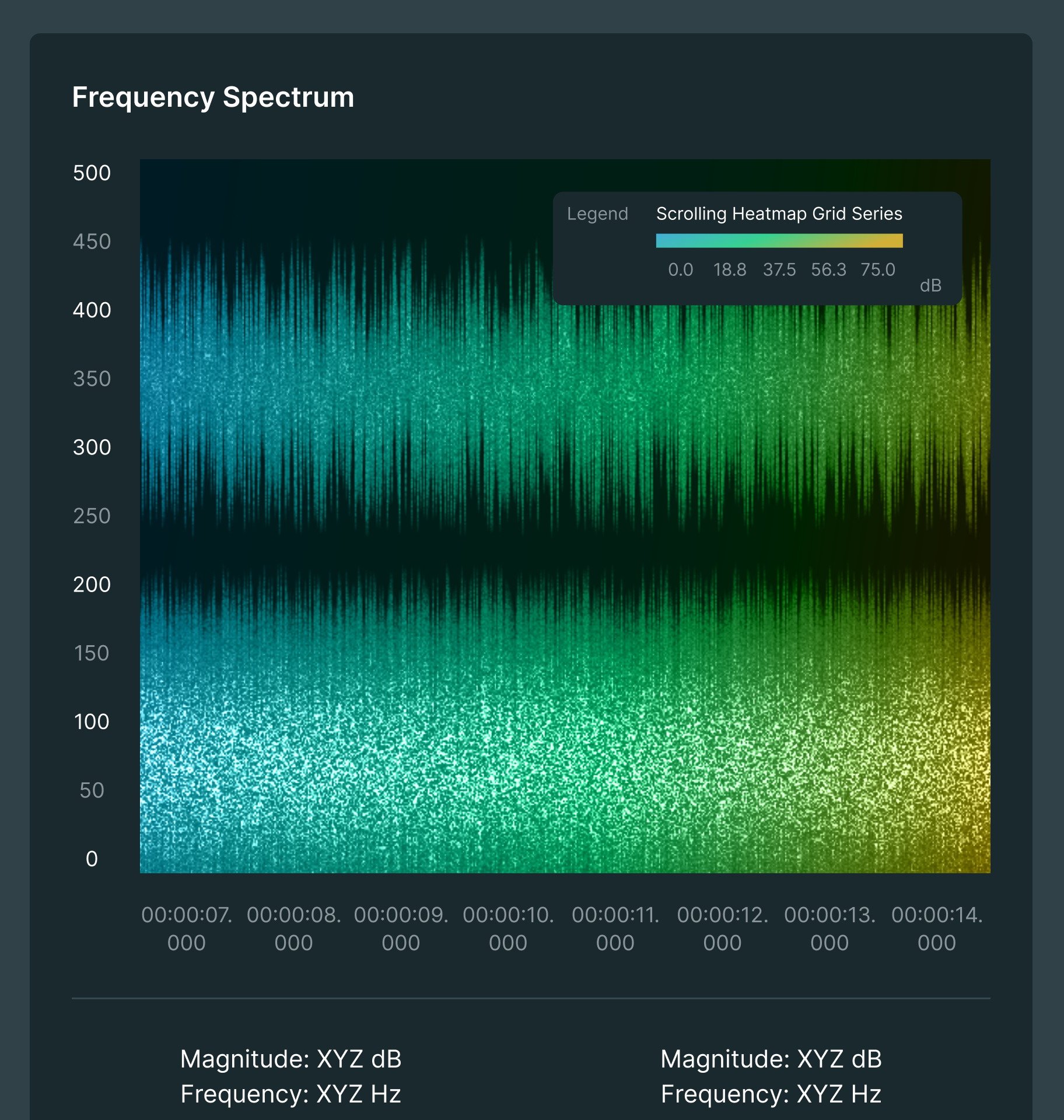
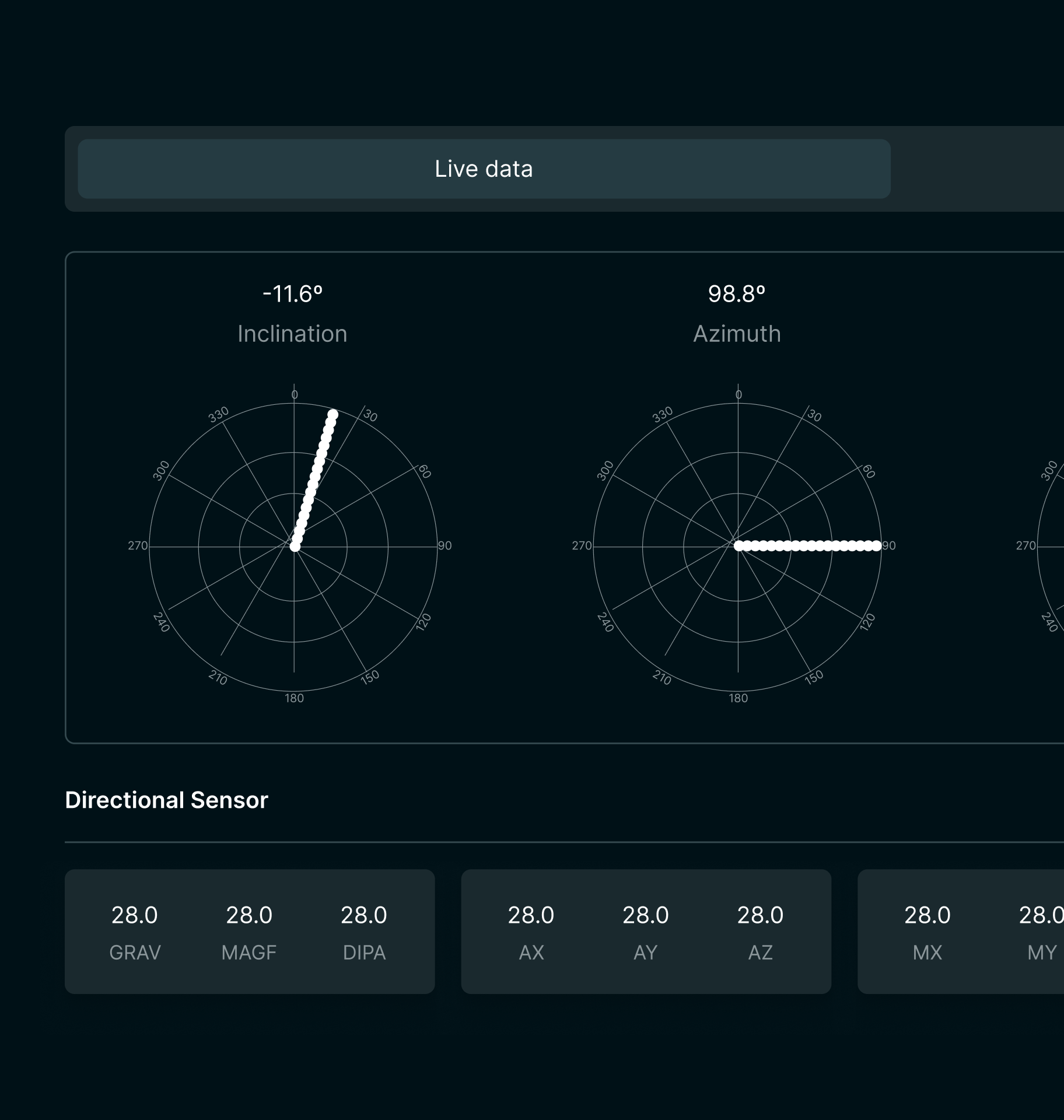
This is not a dashboard for an office. On the rig, a computer running Eclipse Touch decodes mud-pulse telemetry, offline, at the edge. In a container on site, ToolHub picks it up. In a remote center, a directional driller steers the well from a live dashboard. Back at the shop, technicians flash firmware, run roll tests and calibrate tools. Some screens are read on a 50-inch display from twenty feet away.
A wrong reading here isn't a UX issue. It's a tool lost downhole, a failed job, a well steered off target.
Mapping the complexity before touching the interface
Before designing, we mapped the whole software estate, more than a dozen products, and the people around it:
- Integrative: one action in ToolHub can depend on a device, Eclipse Touch at the rig and cloud services at once.
- Information: fleet status, memory downloads, calibration and job data from multiple tool vendors.
- Intention: the product is used before, during and after drilling, with no single happy path.
- Environmental: offline rigs, field hands under time pressure, large shared screens.
- Institutional: expert users loyal to legacy tools, and workflows built around their limitations.
That map named more than a dozen roles across four organizations: Erdos Miller's engineers and technicians, drilling companies, the energy companies they serve and contract manufacturers. Each one sees and does different things.
The decisions that made it one product
- A structure experts can predict. We split the platform into two pillars, Tools and Jobs, so fleet management and live operations stop competing for the same screen.
- One layout per tool, including composite ones. A single-tool page that works the same whether the tool stands alone or is part of an assembly made of several tools.
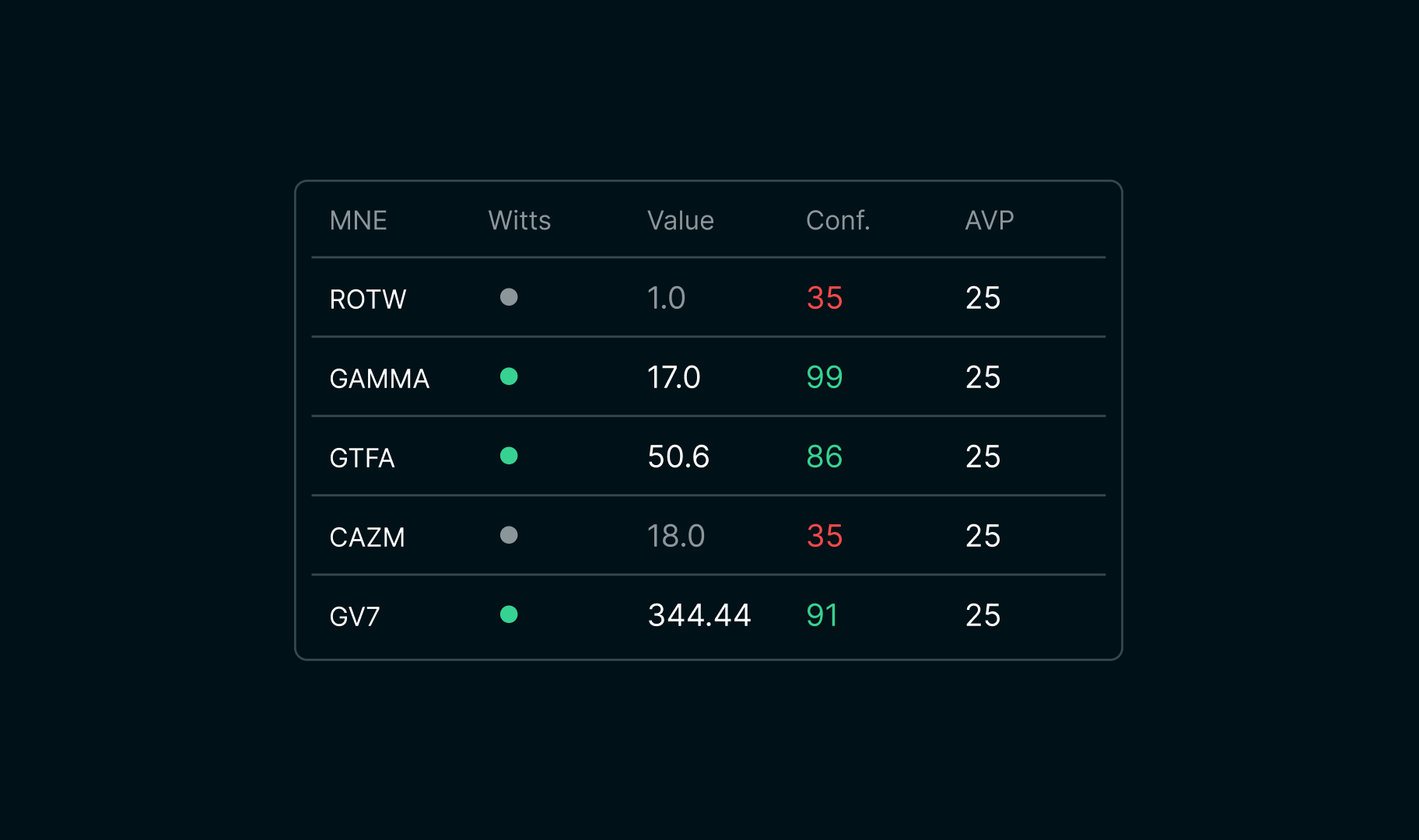
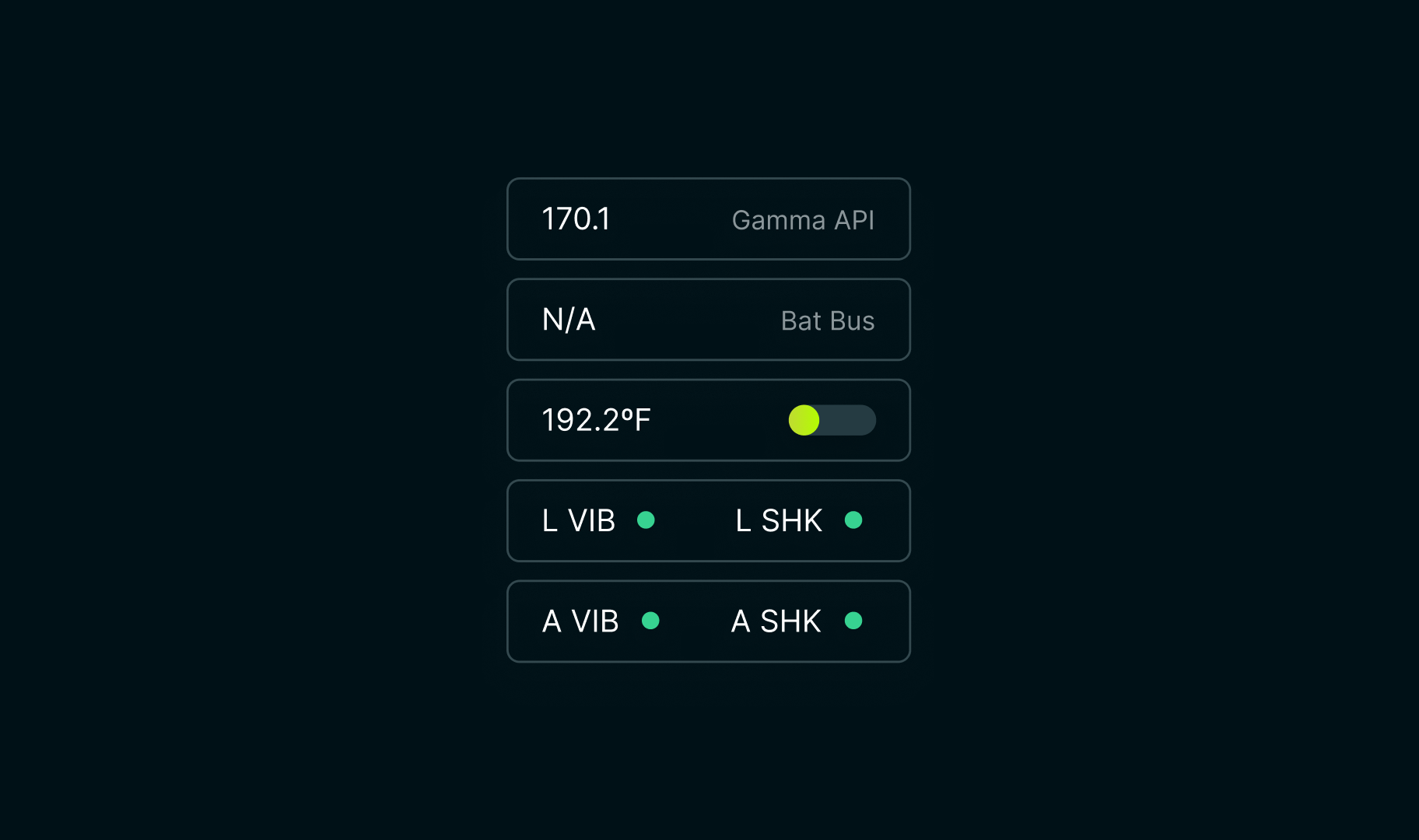
- Status you can't miss. Outdated firmware, update progress and "why you can't update this tool" are explicit, not hidden behind a command line.
- Dark mode first, matching the environment their users already work in, with a branded UI kit built on their Tailwind stack so design and code stay in sync.
Validated with the people who run the tools
We tested the firmware update flow with Erdos Miller's customer experience team, the internal face of the customer, and real field users, through moderated usability sessions. Calibration workflows got their own remote testing rounds. Every module shipped with documented flows, states and specs, so developers built what was decided, not what was guessed.
You guys do what you say you're going to do, which is actually pretty rare among partners and vendors.
What ToolHub is becoming
ToolHub is replacing the spreadsheet as the tool database, absorbing the legacy utilities one by one and opening new modules like the Gamma Logger inside Jobs. The next step is bigger: operators viewing well data directly in ToolHub alongside the directional companies producing it, instead of receiving it by email.
We are experts in making complex systems work.
